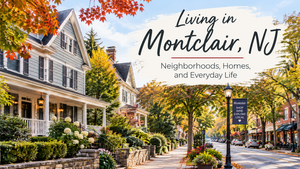
Is Montclair, NJ a Good Place to Live?
If you're looking for a Northern New Jersey town with historic homes, vibrant downtown streets, local restaurants, cultural attractions, and convenient access to New York City, Montclair, NJ, deserves a closer look.
Located in Essex County, Montclair offers a distinctive blend of suburban living and a lively, walkable downtown atmosphere. The community is known for its historic architecture, active arts scene, independent businesses, public parks, and multiple commuter rail stations.
But what is everyday life in Montclair really like? And how do you decide which neighborhood or property is right for you?
Whether you're relocating from New York City, buying your first home, looking for more space, or considering a move within Northern New Jersey, understanding Montclair's neighborhoods and housing options can help you make a more informed decision.
In this guide, we'll explore what makes Montclair unique, the types of homes available, transportation options, local amenities, and important considerations before buying a home here.
1. What Makes Living in Montclair, NJ, Unique?
Montclair stands out because it offers more than a traditional suburban setting. Different parts of town have their own commercial centers, neighborhood character, and access to amenities.
The township has six recognized business and shopping districts, including Montclair Center, Upper Montclair, Watchung Plaza, Walnut-Grove, Frog Hollow, and South End. Each offers a different mix of shops, restaurants, services, and community gathering places.
A lively downtown and local business scene
Montclair Center is one of the town's main destinations for shopping, dining, entertainment, and cultural activities. You'll find independent shops, cafés, restaurants, a movie theater, and venues for live performances.
Other districts provide smaller neighborhood centers where residents can visit local businesses without necessarily traveling to the main downtown.
For buyers who value walkability, the location of a home relative to these business districts may be just as important as the property itself.
A strong arts and cultural presence
Montclair has a well-established arts community. Residents can explore the Montclair Art Museum, attend performances at local theaters, visit galleries, and enjoy community events throughout the year.
The Wellmont Theater is another recognizable local destination for concerts and live entertainment.
This cultural atmosphere contributes to Montclair's identity and gives residents plenty of ways to enjoy their time outside the home.
Parks and outdoor spaces
Although Montclair has an active downtown, green space remains an important part of the community.
Residents have access to township and county parks, recreation facilities, walking areas, and landscaped public spaces. Anderson Park, Edgemont Memorial Park, and other local green spaces provide opportunities to enjoy the outdoors.
For homebuyers, proximity to a park, walking route, or recreational facility may be worth considering when comparing neighborhoods.
Official local information is available through the Township of Montclair.
2. Exploring Montclair's Neighborhoods and Business Districts
One of the most important things to understand when searching for Montclair homes for sale is that the town isn't one-size-fits-all.
Some areas are closer to downtown shops and restaurants, while others offer a more residential setting. Home styles, lot sizes, transportation access, and the overall feel of a street can vary considerably.
The areas below are useful starting points for your search. Keep in mind that neighborhood names and boundaries may be informal, and the best fit depends on the specific property and your priorities.
Montclair Center: For Buyers Who Enjoy a Walkable Lifestyle
Montclair Center is the township's largest business district and a popular destination for dining, shopping, arts, and entertainment.
Living nearby may appeal to buyers who enjoy being close to cafés, restaurants, local shops, and cultural venues. Depending on the exact location, some residents may be able to walk to everyday destinations rather than drive for every errand.
Housing options vary by location and can include apartments, condominiums, multifamily properties, and nearby single-family homes.
What to consider: If walkability is important to you, check the actual walking route from a property to the destinations you use most. Also consider parking, street activity, and noise at different times of day.
Upper Montclair: A Residential Setting With Village Amenities
Upper Montclair has its own business district, with shops and restaurants around Bellevue Avenue and convenient access to the Upper Montclair train station.
The surrounding residential streets include a variety of traditional homes, including larger historic properties and established single-family residences.
Buyers who want a residential atmosphere while remaining close to neighborhood shops and transportation may want to explore this part of town.
What to consider: Compare property size, maintenance needs, parking arrangements, and distance to the train station. Larger or older homes may offer distinctive character but can also require additional upkeep.
Watchung Plaza: Neighborhood Shops and Train Access
Watchung Plaza is centered around local businesses, cafés, restaurants, and the Watchung Avenue train station.
The surrounding area includes a mix of residential properties and housing styles. Its neighborhood commercial center can appeal to buyers who want convenient access to everyday destinations.
What to consider: Walk the streets around any home you're considering and evaluate the actual distance to the train, shops, parks, and other amenities that matter to you.
Walnut Street and Grove Street: Local Dining and Community Activities
The Walnut-Grove area offers restaurants, bakeries, galleries, and other independent businesses. The Walnut Street district also hosts Montclair's seasonal farmers market, according to township information.
For buyers who appreciate local businesses and a neighborhood-centered atmosphere, this area may be worth exploring.
What to consider: Compare the location of individual properties with nearby train service, parking, and the specific shops and services you expect to use regularly.
Frog Hollow: A Convenient Neighborhood Business Area
Frog Hollow is associated with businesses along Valley Road, including restaurants, delis, and pizzerias. Edgemont Memorial Park is another nearby destination for outdoor recreation.
Buyers exploring this area can compare nearby homes based on their preferred combination of residential setting, park access, and everyday convenience.
What to consider: Evaluate each property individually. Street layout, walking distance, home condition, and transportation options can differ even within the same general area.
South End: A Neighborhood With Its Own Local Character
Montclair's South End district features small shops, restaurants, and community spaces, including the MLK Peace Garden.
It may appeal to buyers who prefer a neighborhood business area rather than living directly in the busiest part of downtown.
What to consider: Compare available homes, property layouts, commuting routes, and proximity to the amenities you use most. Do not assume that every part of the South End offers the same housing options or price range.
For an overview of Montclair's business districts, visit the township's Business and Shopping Districts guide.
3. What Types of Homes Can You Find in Montclair?
Montclair's housing stock is one of its defining features. Buyers can find homes with historic architectural details alongside renovated properties and more contemporary housing options.
The right choice depends on your budget, desired space, maintenance preferences, and plans for the future.
Historic Victorian and Colonial homes
Montclair is known for its older homes, including Victorian and Colonial-style properties. Some feature original woodwork, fireplaces, detailed trim, high ceilings, and distinctive exterior architecture.
These homes can offer character that is difficult to replicate in newer construction.
However, buyers should look beyond the appearance. Roof condition, windows, electrical systems, plumbing, insulation, drainage, and other major components deserve careful attention during the inspection process.
Tudor and Craftsman-style homes
Tudor homes, with their distinctive rooflines and architectural details, contribute to the character of several Montclair streets. Craftsman-style properties may appeal to buyers who appreciate porches, natural materials, and traditional design.
As with any older home, the property's actual condition matters as much as its style.
Single-family homes with more space
Montclair includes established residential streets with detached homes, varying lot sizes, and outdoor spaces.
If you're moving from an apartment or a smaller property, a single-family home may provide more room for a home office, guests, hobbies, or outdoor activities.
Be sure to account for maintenance costs, landscaping, utilities, and any improvements the property may need.
Condominiums, apartments, and multifamily properties
Depending on the area and current inventory, buyers may also find condominiums, apartments, and multifamily properties.
These options can suit different needs, including buyers who prefer less exterior maintenance or those exploring rental income opportunities.
Before purchasing a condominium or multifamily property, review the relevant association documents, expenses, building condition, rental rules, and applicable local requirements.
How much do homes in Montclair cost?
There isn't one price that accurately represents every home in Montclair. Property values vary according to location, size, condition, lot, architectural style, updates, and current market conditions.
Rather than relying on an old average or a broad online estimate, compare recent closed sales and current listings for properties similar to the one you want to buy.
A useful property comparison should include:
Recent sale prices of comparable homes.
Current asking prices and how long properties have been listed.
Property taxes and other recurring ownership costs.
Condition, renovation needs, and major home systems.
Location relative to transportation, parks, and daily amenities.
If you're actively searching for Montclair homes for sale, working with a local real estate professional can help you evaluate comparable properties and understand how individual homes differ.
4. Commuting From Montclair to New York City
Montclair is a popular option for people who want suburban living while maintaining access to the New York metropolitan area.
The township is served by NJ TRANSIT's Montclair-Boonton rail line and has six train stations:
Bay Street
Walnut Street
Watchung Avenue
Upper Montclair
Mountain Avenue
Montclair Heights
Depending on where you live and where you work, access to a nearby station may be a major factor in choosing a home.
Montclair also has bus service and road connections to the surrounding region.
What should commuters consider?
Before buying, check the following:
The walking or driving distance from the property to your preferred station.
Current weekday and weekend train schedules.
Whether your commute requires a transfer.
Parking availability, permits, and costs.
Your route during peak commuting hours.
How often you expect to commute in person.
Don't assume that every station offers the same service pattern or that every train provides a direct trip to your destination. Check the current schedule for your specific commute through NJ TRANSIT.
For hybrid workers, the ideal location may be one that balances train access with home office space and the local amenities they use throughout the week.
5. Everyday Life in Montclair: Dining, Shopping, and Recreation
A home is more than its square footage. The surrounding community can have a major influence on how you spend your time.
Montclair offers a combination of local businesses, cultural destinations, parks, and community activities.
Restaurants and cafés
From casual cafés to sit-down restaurants, Montclair has a varied dining scene. Its business districts feature independent eateries and different cuisines, giving residents options for coffee runs, weekday meals, and evenings out.
If you enjoy walking to dinner or meeting friends at a local café, consider how close a potential home is to the specific district you prefer.
Shopping and independent businesses
Montclair's commercial areas feature boutiques, specialty stores, services, and locally owned businesses.
The experience varies by district, so it can be useful to explore several areas before deciding where you'd most enjoy living.
Arts, entertainment, and community events
Local museums, theaters, galleries, and performance venues offer opportunities to enjoy arts and entertainment close to home.
Seasonal events and community activities also help bring residents together. Check local event calendars for current dates, schedules, and seasonal offerings.
Parks and recreation
Outdoor options include parks, playgrounds, recreation facilities, and public spaces. The best choices for you will depend on whether you're interested in walking, sports, playgrounds, or simply having a green space nearby.
When touring homes, consider visiting the surrounding area on a typical weekday and weekend. This can give you a better feel for traffic, activity, parking, and how the neighborhood fits your daily routine.
6. Schools and Family Considerations
For households with children, schools may be an important part of the home search.
Montclair has a public school district, along with private educational options in the area. Families should review current school information, enrollment procedures, programs, transportation arrangements, and any applicable attendance boundaries directly with the relevant schools or district.
It is also worth considering the broader day-to-day picture: access to parks, after-school activities, libraries, transportation, and the locations of family members' workplaces.
If schools are a major factor in your decision, confirm the details for the exact address you're considering rather than relying on a general neighborhood description or an online listing.
7. What Should You Know About Property Taxes and Homeownership Costs?
Before buying a home in Montclair, look beyond the asking price and estimated mortgage payment.
New Jersey property taxes can be a significant part of the cost of homeownership, and the amount varies by property. Other expenses can include homeowners insurance, utilities, maintenance, repairs, and possible renovation costs.
For older homes, it is especially important to understand the condition of major systems and whether upcoming repairs may affect your budget.
Build a realistic homeownership budget
Before making an offer, consider:
Mortgage payment: Estimate principal and interest using your actual financing terms.
Property taxes: Verify the current tax information for the specific property.
Insurance: Obtain an estimate based on the home and your coverage needs.
Inspection and closing expenses: Account for the costs involved in purchasing the property.
Maintenance and repairs: Keep funds available for routine upkeep and unexpected issues.
Renovations: If the home needs work, obtain realistic estimates before committing to major projects.
A home that fits your purchase budget may still carry ongoing costs that deserve careful consideration.
8. Is Montclair, NJ, Right for You?
Montclair may be a good fit if you're looking for a community that combines established residential neighborhoods with an active downtown and access to regional transportation.
It may be especially worth exploring if you value:
Historic architecture and a variety of home styles.
Restaurants, shops, cafés, and cultural activities.
Access to parks and recreation.
Commuter rail options toward the New York metropolitan area.
Different neighborhood settings within one township.
However, the right decision depends on your individual priorities. Housing costs, property taxes, maintenance needs, commute requirements, and the location of a particular home all deserve consideration.
The best way to decide is to explore several parts of Montclair, compare properties that fit your budget, and experience the areas at different times of day.
9. Tips for Finding Montclair Homes for Sale
If you're ready to begin your home search, a clear plan can make the process easier.
Start with your priorities
Decide what matters most: number of bedrooms, outdoor space, architectural style, parking, commuting access, proximity to shops, or renovation potential.
You may need to compromise on some features, so identifying your non-negotiables early can help narrow your search.
Compare neighborhoods, not just houses
A beautiful home may not be the right choice if the location doesn't suit your everyday needs.
Consider the routes you would take to work, the stores you visit, nearby parks, and the overall setting. Visit the area in person whenever possible.
Review the complete cost of each property
Compare more than the listing price. Include taxes, expected maintenance, insurance, and any necessary improvements when evaluating affordability.
Look carefully at older homes
Montclair's historic homes can be appealing, but charm should be balanced with a realistic understanding of condition. Review disclosures, arrange appropriate inspections, and consult qualified professionals when needed.
Get local guidance
A real estate professional familiar with Montclair can help you compare neighborhoods, review comparable sales, understand local listing activity, and evaluate properties based on your goals.
At Jocelyn Russo Group, we help buyers explore Northern New Jersey real estate with practical guidance and a focus on finding the right fit for their needs.
Frequently Asked Questions About Living in Montclair, NJ
Is Montclair, NJ, a good place to live?
Montclair may appeal to people who want a combination of suburban neighborhoods, local restaurants, arts and cultural attractions, parks, and access to commuter rail. Whether it's the right choice for you depends on your budget, preferred lifestyle, commute, and housing needs.
What are the main neighborhoods in Montclair, NJ?
Montclair includes several commonly recognized areas and business districts, including Montclair Center, Upper Montclair, Watchung Plaza, Walnut-Grove, Frog Hollow, and South End. Each offers a different mix of local businesses, transportation access, and nearby housing. Individual streets and properties should be evaluated separately.
Are there train stations in Montclair?
Yes. Montclair has six NJ TRANSIT stations on the Montclair-Boonton line: Bay Street, Walnut Street, Watchung Avenue, Upper Montclair, Mountain Avenue, and Montclair Heights. Check current schedules and routes before planning your commute.
What types of homes are available in Montclair?
Depending on current inventory, buyers may find Victorian, Colonial, Tudor, and Craftsman-style homes, along with condominiums, apartments, multifamily properties, and other housing options. Availability and condition vary by location.
How much does it cost to buy a home in Montclair?
Home prices vary depending on property type, size, condition, location, and market conditions. Buyers should review current listings and recent comparable sales rather than relying on a single townwide estimate. Property taxes and ongoing maintenance costs should also be included in the budget.
Is Montclair walkable?
Some parts of Montclair, particularly areas near its business districts and train stations, offer convenient access to shops, restaurants, and services on foot. Walkability varies by address, so check actual walking routes and the amenities near each property.
Is Montclair convenient for commuting to New York City?
Montclair has multiple train stations on the Montclair-Boonton line, providing rail connections toward the New York metropolitan area. The best route depends on your destination, schedule, and transfer requirements. Confirm current service with NJ TRANSIT.
What should I consider before buying an older home in Montclair?
Review the home's structure, roof, windows, plumbing, electrical systems, heating and cooling, drainage, and any renovation history. A professional home inspection and appropriate specialist evaluations can help you better understand potential maintenance and repair costs.
Ready to Explore Montclair Homes for Sale?
Finding the right home means finding the right combination of property, neighborhood, budget, and lifestyle.
Whether you're drawn to the energy of Montclair Center, the village atmosphere of Upper Montclair, the convenience of Watchung Plaza, or another part of town, taking the time to compare your options can help you make a confident decision.
If you're considering a move to Montclair or exploring other communities in Northern New Jersey, Jocelyn Russo Group is here to help you understand your options and navigate your home search.
Let's find a home that fits your next chapter.
📲 Call or text Jocelyn Russo Group at 973-321-6033 to discuss your home-buying goals and explore Northern NJ real estate.